How Much Protein Should You Eat?
How much protein you should eat per day to maintain a healthy body is a much debated question.
This is one of the most common questions my South Tampa clients ask me, from athletes improving their game, to housewives who want to tone- everyone is concerned with ‘getting enough.’
For years, they told us to consume between 300 and 400 grams of protein per day. To make matters worse, we were also told the body can only absorb 30 to 40 grams of protein per meal. Everything over that threshold turned to glucose.
Try to consume that much protein 10 times a day, and you’re eating a meal every 2 to 3 hours! Just one day of eating like that and you’ll realize that’s quite the challenge for even the most active person.
Well, the good news is…science proved this theory wrong.
While there are a number of factors that influence the exact amount you should consume daily, science does offer a guideline regarding how much we can “safely” take in per day. And it’s well below the original theories.
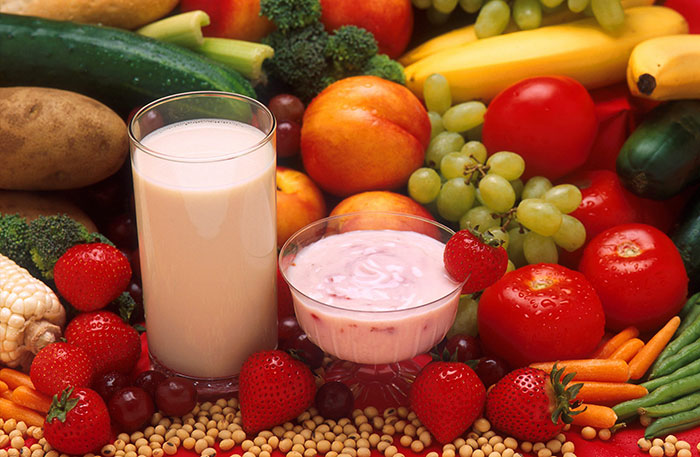
A diet rich in soy and whey protein, found in products such as soy milk and low-fat yogurt, is the perfect balance of nutrients.
Let’s get started with a brief overview of why protein is important.
What is Protein & Why Do We Need it?
“Protein is King” – Dr. Spencer Nadolsky
Sounds a little dramatic, I know. But the reality is – without protein, our bodies wouldn’t have the strength to support even the most sedentary human.
roteins are the primary building blocks of our body. They are made out of smaller molecules called amino acids, which are linked together like beads on a string. These linked amino acids form long protein chains, which are then folded into complex shapes.
The amino acids that we absorb from our food are called “essential” amino acids and are just that – an essential part of all living organisms. They are the structural components of body tissues such as muscles, tendons, organs, skin, and hair. They are also required to make enzymes, antibodies, hormones, and neurotransmitters.
Sounds important, right? It is. But it’s about more than just taking in the right amount. It’s about quality as well.
Typically speaking, if you consume animal protein, you get all of the essential amino acids your body requires.
If you’re vegetarian or vegan, however, things get a little trickier. If you’re not sure what to eat, this article is a great guide to get you started.
What About the Protein “Ceiling” Everyone is Talking About?
The theory that your body can only absorb so much protein in one meal is based on the claim that “all foods move through the small intestine in 2 to 3 hours.”
The truth of the matter is that your body is not in a race against time to process the food you consume. It is intuitive enough to regulate the speed at which protein moves through the small intestine, ensuring it absorbs all available amino acids.
The presence of protein stimulates the production of a hormone that actually slows down intestinal contractions, delaying the “gastric emptying,” which allows for the necessary nutrients to be absorbed.
Still not convinced?
Consider this study conducted by the scientists at the National Human Nutrition Research Center in France. 16 young women were broken up into two groups – one that consumed 79% of the day’s protein (about 54 grams) in one meal, while the other spread their protein out over 4 meals. Researchers found no difference between the 2 groups in terms of the rate of protein metabolism.
How Much Protein Do You Really Need?
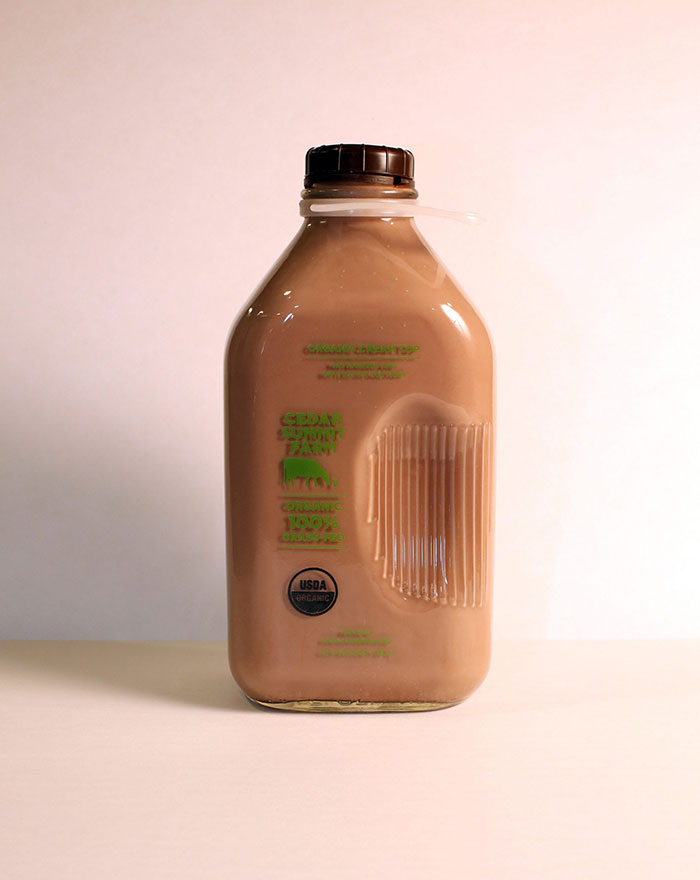
Chocolate Milk is a great post workout protein source
A study conducted by the Board of the Institute of Medicine revealed the optimal intake of the macronutrients fats, carbohydrates, and protein. They determined the recommended daily allowance (RDA) of protein for those 18 years of age and older is 0.8 g per kilogram of body weight per day. In layman’s terms, this means .36 grams per pound of body weight.
This amounts to:
– 56-91 grams per day for the average male.
– 46-75 grams per day for the average female.
These are the guidelines for the average, slightly active individual. But what if you’re very active and are working to build muscle? Well, the guidelines are a little different.
Your muscles are comprised primarily of protein. Like most tissues in your body, muscles are constantly broken down and rebuilt.
So, to gain muscle, your body needs to synthesize more protein than it breaks down. In other words, you must consume a greater amount of protein to build muscle, strengthen your body, and lose fat.
It is recommended that you intake 1 gram of protein per pound of body weight to achieve these goals. Use this calculator to help determine how much protein is right for your goals and lifestyle.
Some people graze throughout the day, while others stick to three big meals. The frequency of your feedings is a personal preference; what matters most is that you take in a sufficient amount of protein daily.
When working out, it is recommended you consume protein both before and after a training session, to help fuel your muscles and crush your goals.
Expensive protein bars and shakes are not needed, something as simple as chocolate milk can provide the perfect amount of protein after a workout.
For more information on nutrition, or to set up a balanced workout and nutrition program, email Shawn@TampaStrength.com